
Tile That Handles Crawl Space Moisture
Tile Installation in Collinston for bathroom and kitchen projects where humidity and floor movement affect material selection
Older homes with pier and beam foundations in Collinston experience seasonal floor movement and crawl space humidity that affects how tile performs over time. G & W custom bathroom & remodeling prepares subfloors for tile installation by inspecting joists and subflooring for soft spots or deflection, then selects mortar and grout formulations that tolerate the moisture exposure and slight settling typical in this area. The process includes ensuring proper slope in wet areas so water drains toward fixtures rather than pooling along grout lines or tile edges, which prevents long-term moisture intrusion into the subfloor below.
Tile installation begins with subfloor evaluation to confirm the surface is solid and level enough to support tile without cracking, because any flex or unevenness transfers stress to grout joints and can cause tile to lift or crack over time. Mortar selection accounts for the moisture present in crawl spaces beneath bathrooms and kitchens, and grout types are chosen based on whether the tile sits in a wet area like a shower or a lower-moisture space like a kitchen backsplash.
Request a detailed estimate based on your current subfloor condition and the specific areas where tile will be installed.
How Tile Installation Addresses Floor Movement
Installing tile over a pier and beam subfloor requires confirming that joists and subflooring provide a stable base without excessive deflection, because tile and grout are rigid materials that crack when the surface beneath them flexes. If the subfloor shows soft spots or movement, those areas get addressed before tile goes down—either through joist reinforcement or subfloor replacement—so the finished tile surface remains intact through seasonal settling. Mortar formulations vary based on moisture exposure, with wet areas requiring products that cure properly even in high-humidity conditions common in crawl space environments.
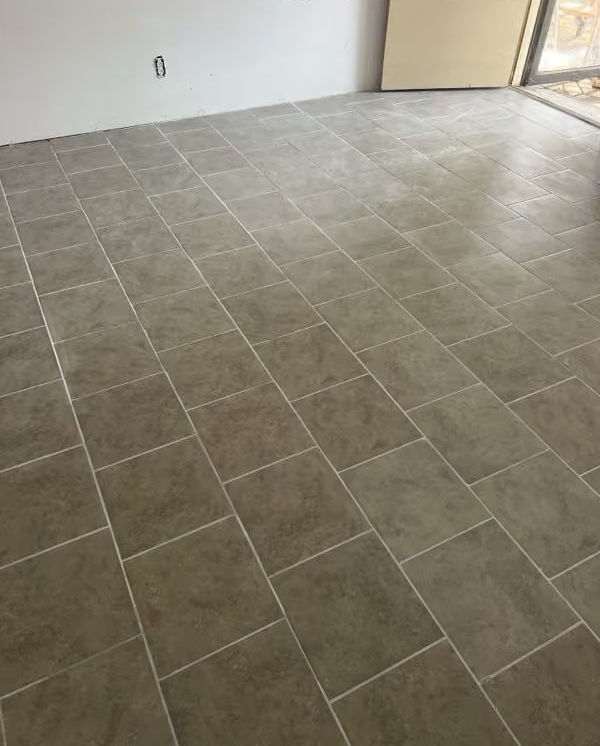
Once tile installation completes, you walk across a stable surface without hearing hollow sounds or feeling movement underfoot, grout lines stay intact without cracking along seams, and water in bathrooms drains predictably toward fixtures rather than collecting in low spots. The tile sits level and flat because the subfloor preparation eliminated dips or high points, and the mortar bond holds even as the home settles slightly through seasonal humidity changes.
The installation includes grout sealing in wet areas to reduce moisture absorption, and slope adjustments in showers or around tubs to direct water flow. Tile layout accounts for the room dimensions and fixture placement, and cuts happen at edges where they're less visible rather than in the center of the floor or wall.
Questions About Tile Work in Older Homes
Tile installation in pier and beam homes requires attention to subfloor stability and moisture conditions that differ from slab construction.
What makes tile crack in older homes?
Floor movement caused by subfloor deflection or joist settling transfers stress to rigid tile and grout, causing cracks along grout lines or through tile centers when the surface beneath flexes beyond what the material can tolerate.
How does crawl space moisture affect tile installation?
Humidity rising from the crawl space can slow mortar curing, weaken adhesion over time, and promote mold growth under tile if moisture barriers and proper ventilation aren't in place during and after installation.
Why does subfloor preparation matter before tile goes down?
Tile requires a solid, level base without deflection or soft spots, and any unevenness or flex in the subfloor translates directly into cracked grout or loose tile once the installation is complete.
When should tile installation happen during a bathroom remodel?
Tile gets installed after plumbing and subfloor work finishes and before fixtures mount, so the tile sits on a stable base and fixtures can be sealed properly against finished tile edges.
What type of grout works best in Collinston bathrooms?
Grout selection depends on moisture exposure, with epoxy or polymer-modified grouts used in wet areas like showers where crawl space humidity and direct water contact require formulations that resist moisture absorption and mildew growth.
G & W custom bathroom & remodeling operates two dedicated crews with experience in subfloor assessment and tile installation tied to structural realities in this area. Schedule a property evaluation to discuss your tile project and review what subfloor work may be needed before installation begins.