
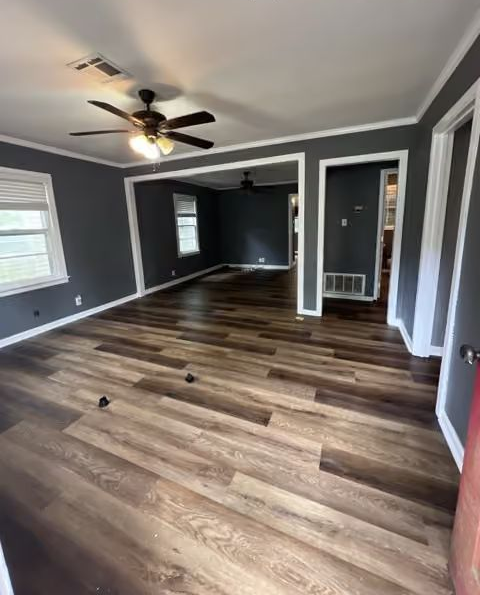
Floors Built to Tolerate Foundation Settling
Flooring Repairs and Installation in Collinston for homes where pier and beam movement and crawl space moisture compromise floor systems
Foundation settlement and crawl space moisture affect flooring in Collinston pier and beam homes by causing soft spots, squeaks, and surface unevenness that indicate underlying structural movement. Before installing new flooring, the subfloor and joists beneath get inspected for deflection, rot, or settling that would compromise any finished surface laid over the top. G & W custom bathroom & remodeling addresses these underlying issues first, then selects flooring materials that tolerate the seasonal movement typical in homes where the foundation sits on piers rather than a continuous slab, so the finished floor performs as expected even as the structure settles slightly over time.
Flooring installation begins with subfloor evaluation to identify areas where joists have settled, moisture has softened wood, or deflection exceeds what the intended flooring material can handle. Materials like tile require rigid, stable subfloors, while vinyl or engineered wood tolerate slight movement better, so the flooring choice depends partly on what the existing structure can reliably support without ongoing issues.
Arrange an on-site consultation to review your current floor condition and discuss what subfloor work might be required before new flooring installs.
What You Notice Once Flooring Installs Correctly
Proper flooring installation over a pier and beam foundation starts with confirming that the subfloor sits level and solid, without bounce or soft spots that signal joist issues or moisture damage below. If the inspection reveals settling, rotted joists, or deflection, those problems get corrected through releveling or subfloor replacement before any finished flooring goes down, because installing over compromised structure just moves the problem to the surface layer where it shows up as buckling, gaps, or cracking. Material selection considers how much movement the subfloor might experience seasonally, with flexible systems chosen when slight settling is expected and rigid systems reserved for fully stabilized subfloors.
After flooring installation completes, you walk across a surface that feels solid underfoot without squeaks or springiness, gaps between boards or tiles remain consistent without widening or shifting, and the floor sits level without dips or high spots that catch furniture legs or door swings. The finished surface looks uniform because the subfloor beneath was properly prepared, and the material choice matches the structural realities of the home so seasonal changes don't create ongoing maintenance issues.
Flooring decisions account for the room's moisture exposure, with materials selected based on whether the space sits over a vented crawl space with higher humidity or a drier area of the home. Installation includes underlayment or moisture barriers when needed, and transitions between rooms get planned so flooring height changes don't create tripping hazards or door clearance problems.
Common Questions About Flooring in Pier and Beam Homes
Flooring repairs and installation in homes with pier and beam foundations require understanding how seasonal movement and moisture affect long-term performance.
What causes floors to feel soft or bouncy in older homes?
Subfloor deflection happens when joists sag, spacing between supports is too wide, or moisture has weakened the wood, and any of these conditions allows the floor to flex underfoot rather than staying rigid and stable.
How does crawl space moisture affect flooring choices?
Humidity rising from crawl spaces can warp wood flooring, loosen adhesive under vinyl, and promote mold growth beneath any flooring type if moisture barriers aren't in place or ventilation doesn't control humidity levels effectively.
Why does subfloor condition matter before installing new flooring?
New flooring only performs as well as the structure beneath it, so soft spots, unevenness, or movement in the subfloor transfer directly to the finished surface and cause premature wear, gaps, or damage.
When should flooring be replaced versus repaired?
Replacement makes sense when the subfloor beneath has failed and needs addressing anyway, while repair works when only the surface layer is damaged and the underlying structure remains solid and level.
What flooring materials tolerate pier and beam movement best in Collinston homes?
Engineered wood and vinyl plank systems handle slight seasonal settling better than solid hardwood or ceramic tile, because their construction allows minor flex without cracking or creating gaps along seams.
With 30 years of construction experience and expertise in subfloor replacement and releveling, G & W custom bathroom & remodeling manages flooring projects where structural assessment determines the right approach. Request an estimate to discuss your flooring needs and what underlying work may be necessary for a lasting result.